
Normandy stands as one of the great culinary regions of France, renowned for its lush pastures that yield exceptional dairy products and a coastline that delivers some of the finest seafood in the world. Among the treasures from these coastal waters, skate holds a special place in regional cuisine, particularly when prepared in the traditional Norman style. This preparation marries the delicate sweetness of skate with the rich dairy heritage of Normandy, creating a dish that exemplifies French gastronomy at its most refined yet approachable. The combination of browned butter, tangy capers, and fresh lemon transforms this cartilaginous fish into something truly memorable, worthy of both family dinners and sophisticated entertaining.
Understanding skate: the star ingredient of norman cuisine
What makes skate wings ideal for french preparation
Skate belongs to the family of cartilaginous fish, sharing ancestry with rays and sharks rather than with typical bony fish. This unusual classification gives skate its distinctive characteristics that have made it increasingly popular in British markets and throughout European cuisine. The flesh presents a mild, slightly sweet flavour profile that readily accepts the rich sauces and preparations favoured in French cooking. Unlike many firmer fish, skate offers a tender texture that becomes wonderfully succulent when properly cooked. The wings, which constitute the primary edible portion of the fish, contain long strands of flesh that separate easily from the cartilage after cooking. This unique structure creates an appealing presentation on the plate and a satisfying mouthfeel that distinguishes skate from alternatives like sole, flounder, or halibut, though these substitutes can certainly be employed if skate proves difficult to source. The fish's adaptability to classic French techniques such as sautéeing and poaching makes it an ideal canvas for the butter-rich preparations that characterise Norman cookery.
Selecting and Preparing Fresh Skate for Your Recipe
When shopping for skate, freshness remains paramount to achieving the best results. Quality skate wings should display a clean, ocean-fresh aroma without any hint of ammonia, which can develop in improperly stored specimens. The flesh should appear moist and translucent rather than dry or discoloured. For a meal serving two people, approximately one pound of skate fillets provides an appropriate portion size. Before cooking, the wings benefit from a brief inspection to remove any remaining bits of cartilage or membrane, though most fishmongers prepare the wings ready for cooking. Patting the fish thoroughly dry with kitchen towel ensures proper browning during the sautéeing process and prevents the flour coating from becoming soggy. A light seasoning of salt and pepper applied just before cooking allows the natural sweetness of the fish to shine whilst providing a foundation for the complex flavours that will be added through the sauce. Some chefs recommend allowing the seasoned fish to rest at room temperature for roughly fifteen minutes before cooking, which promotes even heat distribution and prevents the centre from remaining cold whilst the exterior cooks.
Mastering the traditional normandy sauce
Creating the Rich Butter and Crème Fraîche Base
The sauce that distinguishes Skate Normandy from simpler preparations begins with butter, that cornerstone of Norman cuisine. Unlike basic melted butter, this preparation calls for browning the butter to develop nutty, complex flavours that complement rather than overwhelm the delicate fish. The process requires heating unsalted butter in a clean pan over medium heat for approximately three to four minutes, watching carefully as the milk solids separate and begin to turn golden brown. This transformation releases aromatic compounds that add remarkable depth to the finished sauce. The key lies in achieving a hazelnut colour without crossing into burnt territory, which would introduce bitter notes. Once the butter reaches this perfect stage, it forms the foundation for building additional layers of flavour. Some traditional Norman preparations incorporate crème fraîche at this stage, creating a velvety smooth sauce that clings beautifully to the fish. The cream should be added off the heat to prevent separation, then gently warmed through whilst stirring to achieve a cohesive emulsion. This luxurious base captures the essence of Norman dairy traditions whilst providing a perfect vehicle for the bright, acidic elements that will follow.
Balancing Flavours with Cider Vinegar and Capers
The richness of butter and cream demands counterbalancing acidity to create a harmonious sauce. Cider vinegar, another Norman speciality, provides this essential element whilst adding regional authenticity to the preparation. A modest splash of this tangy vinegar cuts through the fat and brightens the entire dish. Fresh lemon juice and zest further enhance this acidic component, their citrus notes adding complexity beyond what vinegar alone could achieve. The lemon zest, in particular, contributes aromatic oils that perfume the sauce with Mediterranean brightness despite the dish's northern French origins. Capers, those briny little flavour bombs, introduce a salty, slightly sharp element that plays beautifully against both the sweet fish and the rich sauce. Their firm texture also provides a pleasant contrast to the tender skate and smooth sauce. Some variations include finely diced shallots softened in butter before the other sauce components are added, lending a subtle allium sweetness that rounds out the flavour profile. A generous scattering of freshly chopped parsley just before serving adds not only visual appeal but also a fresh, herbal note that lifts the entire dish. The interplay of these elements creates a sauce that exemplifies French culinary philosophy: balance, refinement, and respect for quality ingredients.
Step-by-step cooking method for skate normandy
Poaching and Pan-Frying Techniques for Perfect Texture
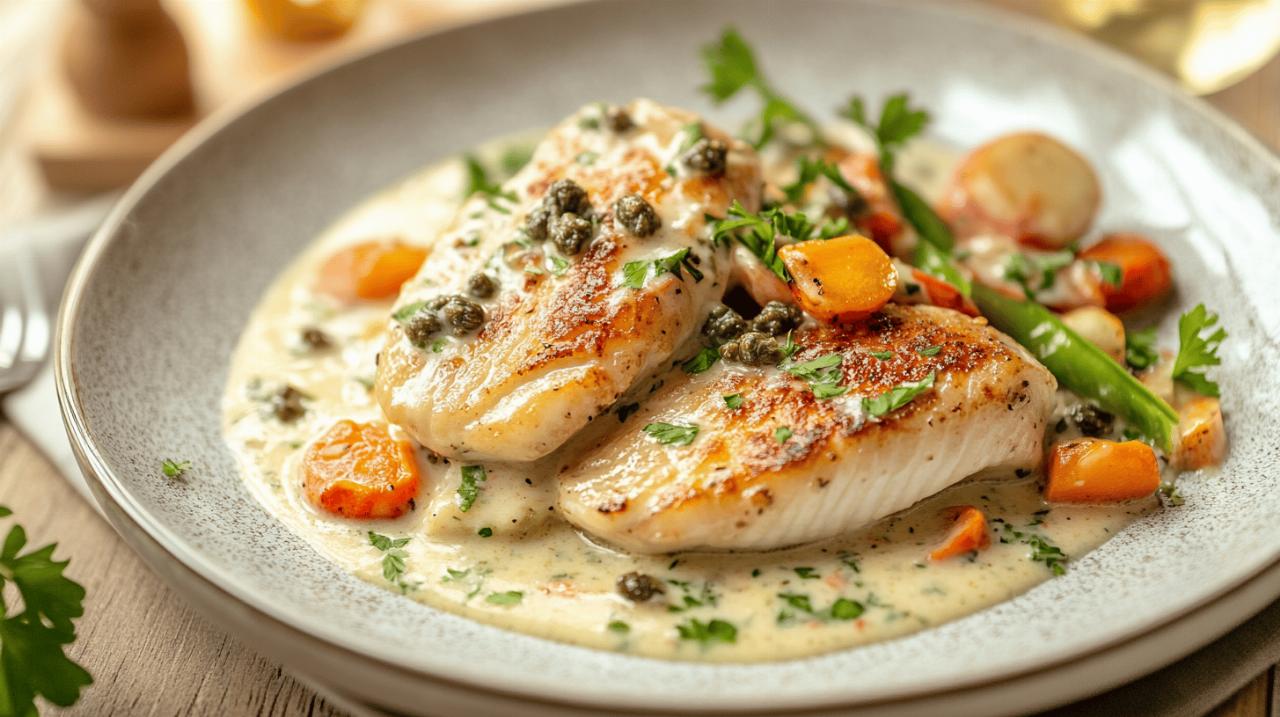 Achieving the ideal texture in skate requires attention to technique and timing. The traditional French method involves gently sautéeing the wings in a combination of oil and butter, which provides both high-heat tolerance and rich flavour. Begin by lightly dredging the dried, seasoned skate fillets in flour, shaking off any excess to ensure a thin, even coating. This flour creates a delicate crust that protects the fish during cooking and helps the sauce adhere to the finished product. Heat a mixture of grapeseed or vegetable oil with a small amount of butter in a large frying pan over medium-high heat until shimmering but not smoking. Carefully lay the skate wings in the pan, presentation side down, and allow them to cook undisturbed for approximately three minutes. This initial cooking period develops a golden crust whilst the gentle heat begins to penetrate the flesh. After three minutes, carefully turn the wings using a fish slice or wide spatula, then continue cooking for an additional two to three minutes on the second side. The fish is properly cooked when the flesh appears opaque throughout and flakes easily from the cartilage with gentle pressure. Whilst the skate cooks, a low oven preheated to approximately ninety degrees Celsius can hold finished portions warm without overcooking them, particularly useful when preparing multiple servings.
Timing and Temperature Control for Restaurant-Quality Results
Professional results depend on managing heat and timing with precision. The cooking temperature must remain high enough to achieve proper browning and crust formation without being so aggressive that the exterior burns before the interior cooks through. Medium-high heat typically provides this balance, though adjustments may be necessary depending on the specific cooker and pan being used. Observing visual and aromatic cues proves more reliable than rigid timing, as skate wings vary in thickness and density. The flour coating should turn golden and release a toasted, nutty aroma when properly browned. If the fish resists when you attempt to turn it, allow another thirty seconds of cooking before trying again, as prematurely flipping can tear the delicate flesh. Once both sides have achieved appropriate colour and the flesh tests done, immediately transfer the skate to warmed plates whilst you prepare the sauce in the same pan. The residual heat and flavourful fond left behind from cooking the fish will enhance the butter as it browns, creating layers of flavour impossible to achieve when sauce and fish are cooked separately. This sequential cooking method, common in French bistro cookery, maximises flavour whilst minimising the number of pans requiring washing.
Serving and pairing your normandy skate
Plating suggestions and traditional accompaniments
The presentation of Skate Normandy should reflect both its rustic origins and refined execution. Arrange the cooked skate wings on warmed plates, allowing their natural shape to dictate the composition rather than forcing them into unnatural positions. Spoon the rich butter sauce generously over the fish, ensuring that capers and herbs are distributed attractively across each portion. A final scattering of fresh parsley leaves adds colour and freshness to the golden tones of the butter and bronzed fish. Traditional accompaniments include simply prepared vegetables that complement rather than compete with the rich main dish. Steamed new potatoes tossed with a bit of the cooking liquid provide a neutral backdrop that soaks up the excess sauce beautifully. Alternatively, creamy mashed potatoes echo the luxurious texture of the sauce whilst providing comforting substance. Green beans or asparagus, lightly blanched and finished with a touch of butter, offer colour and a slight crunch that contrasts with the tender fish. A crisp green salad dressed with a sharp vinaigrette can follow as a separate course in the French manner, cleansing the palate after the richness of the main dish. Crusty bread proves essential for mopping up every last drop of the precious sauce, turning what might be considered mere plate-cleaning into an integral part of the dining experience.
Wine Pairings and Side Dishes from the Norman Region
Selecting an appropriate wine enhances the Normandy theme whilst providing refreshment against the rich sauce. Though Normandy itself produces more cider and Calvados than wine, the classic pairing principles of French cuisine suggest a crisp white wine with sufficient acidity to balance the butter and cream. A dry white Burgundy, such as a village-level Chablis, offers mineral notes and bright acidity that complement the sweet skate and cut through the richness of the sauce. Alternatively, a Muscadet from the Loire Valley provides similar characteristics at a more accessible price point. For those wishing to honour Norman traditions more directly, a quality dry cider serves admirably, its apple-forward character and effervescence providing both contrast and harmony with the dish. The slight sweetness in many ciders plays beautifully against the capers and lemon whilst the carbonation refreshes the palate between bites. If serving multiple courses, consider beginning with a light seafood appetiser such as moules marinières or oysters, both Norman specialities that prepare the palate for the richer main course to follow. Conclude with a simple apple tart or a selection of Norman cheeses, perhaps Camembert or Livarot, to create a meal that celebrates the region's agricultural and maritime bounty in equal measure. This thoughtful approach to menu composition transforms a single recipe into a complete gastronomic experience that transports diners to the verdant countryside and windswept shores of Normandy itself.